Jason Taylor was 32 years old and in peak health when his life split cleanly into before and after. He exercised. He worked. He made plans like anyone else his age, assuming time was something steady and predictable. Then the seizures started.
At first, they felt unreal — sudden, violent interruptions in a body that had never betrayed him before. One moment he was standing. The next, he was waking up confused, surrounded by worried faces. Scans were ordered. Specialists were called. And then came the words that hollow out a room.
A massive brain tumor.
Six to seven centimeters.
It was not small. It was not incidental. It was large, aggressive in presence, pressing against areas of his brain that controlled movement, speech, and survival itself. Jason went from routine appointments to surgical consults in what felt like hours. He remembers fragments — the antiseptic smell of hospital corridors, the seriousness in doctors’ eyes, the weight of understanding that this was not minor.
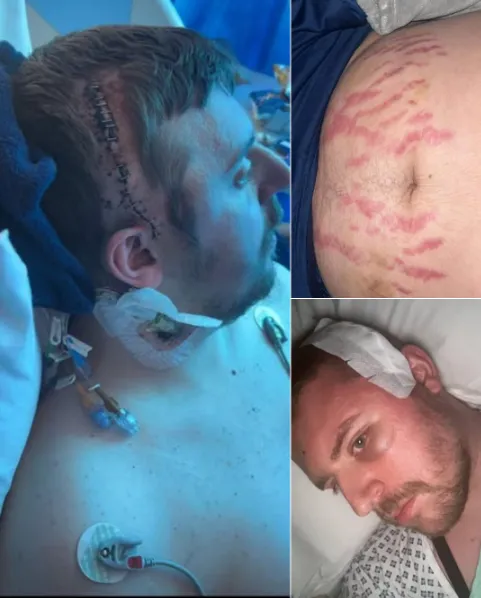
Brain surgery was scheduled.
There are few phrases more terrifying than “we need to operate on your brain.” It is where identity lives. Memory. Personality. The very essence of who someone is. Jason signed consent forms knowing the risks included paralysis, bleeding, cognitive changes — even death.
The surgery was long. Complex. Delicate.
When he woke up, nothing was simple.
Complications stacked one on top of another. An induced coma. Paralysis. Deep vein thrombosis. Brain bleeds. Days blurred into nights filled with alarms and urgent voices. Twice, doctors warned his family he might not survive. Twice, conversations happened in hallways about preparing for the worst.
Jason doesn’t remember all of it. Some of those days exist only in stories told back to him later. But he remembers enough — flashes of fear, the crushing weight of weakness, the realization that his body no longer responded the way it once had.
Paralysis steals more than movement. It steals independence. The ability to stand when you choose. To walk out of a room. To reach without thinking. For a man who had once been strong and active, it was disorienting and devastating.
And yet, he survived.
The tumor was removed. The pathology reports came back. The scans eventually showed what once seemed impossible: tumor-free.
But survival did not mean the fight ended.
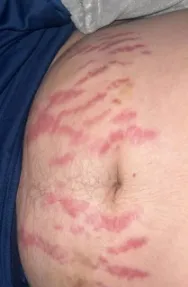
Recovery from brain surgery is not a straight road. It is jagged. Unpredictable. Filled with setbacks that feel unfair. Jason battled not only physical weakness but blood clots, internal bleeding, and relentless pain that made even rest exhausting. Rehabilitation became his new full-time occupation. Every movement had to be relearned. Every step reclaimed.
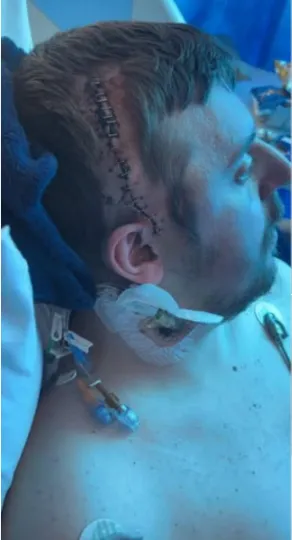
There is a visible side to trauma — scars along his scalp, the memory of tubes and IV lines. And then there is the invisible side.
PTSD.
Anxiety.
Depression.
These do not show up on MRI scans. They do not fade with stitches removed. They linger quietly in the background — in sudden flashes of panic, in sleepless nights replaying near-death warnings, in the heavy awareness that life can change without permission.
Jason asks himself often, “How am I still alive?”
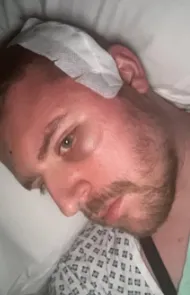
It is not asked in disbelief alone. It is asked with gratitude, confusion, and sometimes guilt. When doctors prepare families for goodbye and the goodbye doesn’t come, it leaves a complicated imprint. Survival can feel both miraculous and overwhelming.
Through it all, Jason credits his “fellow warriors.”
Friends who sat in hospital chairs longer than comfort allowed. Family who refused to let hope dim even when medical updates were grim. Supporters who sent messages, prayers, encouragement — reminders that he was not fighting alone.
Community became oxygen.
There were days when giving up would have been easier. Days when progress felt microscopic. But someone was always there — reminding him of the miles already traveled. Reminding him that paralysis did not erase strength. That fear did not erase courage.
Today, Jason is tumor-free.
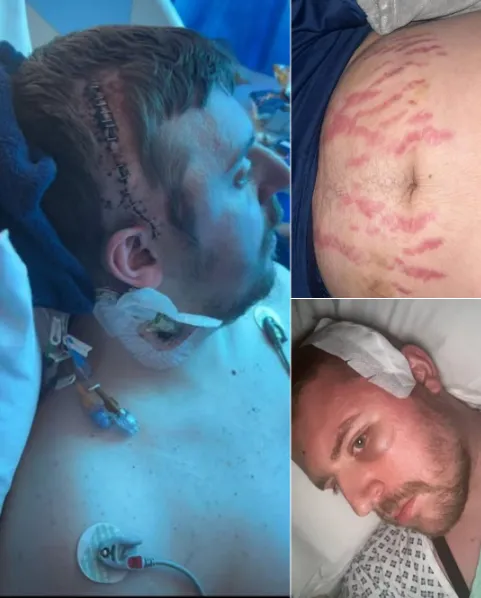
That sentence carries enormous weight. It carries gratitude. It carries relief. But it does not erase the ongoing battle. Healing is layered. Physical therapy continues. Mental health support matters. Recovery is measured not just in scans, but in mindset.
He is rebuilding.
Piece by piece.
The man who once moved without thinking now celebrates simple milestones. Standing. Walking. Breathing deeply without pain. Laughing without fear of the next seizure. These are no longer assumed — they are treasured.
Jason’s story is not one of instant triumph. It is one of relentless endurance. Of surviving the operating room. Surviving the coma. Surviving the warnings. And then choosing, daily, to survive the aftermath.
He still asks, “How am I still alive?”
Maybe the better question is this:
What will he do with the life he fought so hard to keep?
For now, he keeps showing up. For therapy. For conversations. For the people who never left his side. He keeps fighting the invisible battles as fiercely as he fought the tumor.
And if there is one thing his journey makes clear, it is this:
The tumor is gone.
The warrior remains.
Tomorrow He Fights Again: A Night of Prayer for Little Wally’s Bravest Battle Yet 5010
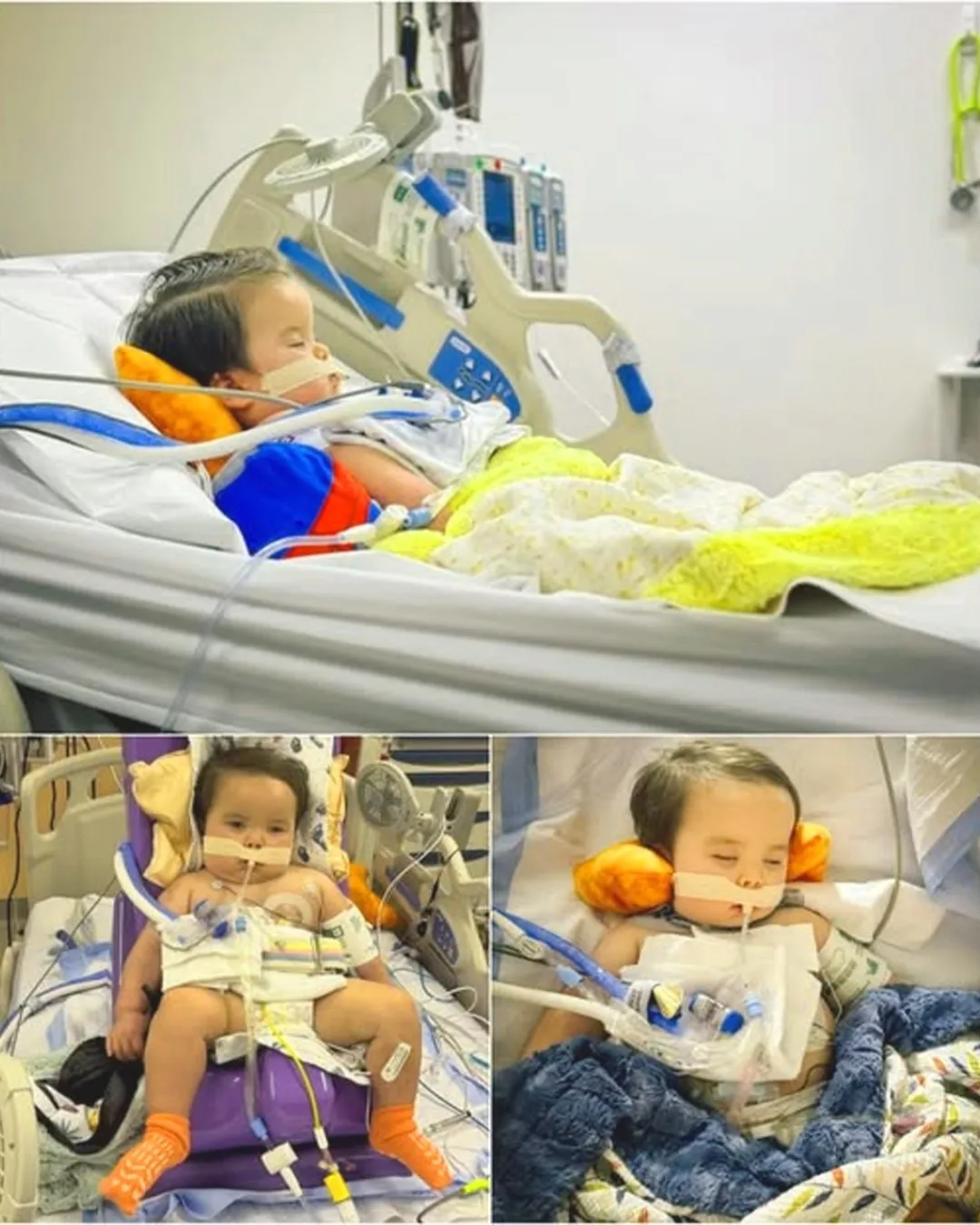
Tonight, time feels heavier than usual. The hours stretch slowly, filled with whispered prayers, quiet breaths, and hearts that refuse to stop hoping. Tomorrow, little Wally will undergo a critical surgery — a tracheotomy and strabismus correction — and for his family, this moment carries the weight of everything they have already survived and everything they still believe is possible. This is not just another procedure. It is another chapter in a journey that has demanded more strength from a small child than most people will ever need in a lifetime.