Many people take their blood pressure medication every day without thinking much about it. The prescription is filled, the pill is taken, and life goes on. But after a few weeks or months, subtle changes sometimes appear. Swollen ankles, unusual fatigue, or a strange flushing sensation may start to show up. At first, many people blame aging, the weather, or stress.

Here is the uncomfortable truth: some medications can cause side effects that people simply do not connect to the pill they take daily. Amlodipine, a commonly prescribed medication used to help manage high blood pressure, is generally well tolerated, but like many medications it may produce certain effects in some individuals.
The good news is that understanding these potential reactions can help people recognize changes in their bodies earlier. And one of the side effects near the end of this list surprises many patients because they never expected it to be related.
1. Swollen Ankles and Feet

One of the most commonly reported side effects associated with amlodipine is swelling in the ankles or feet.
This happens because the medication relaxes blood vessels, allowing them to widen. While this helps blood flow more easily, it can also cause fluid to accumulate in the lower legs.
Many patients first notice this in the evening.
Shoes may feel tighter, or socks may leave deeper marks on the skin.
Signs to watch for
• Puffiness around the ankles
• Shoes feeling tighter by evening
• Mild swelling that improves overnight
If swelling becomes severe or persistent, it is important to discuss it with a healthcare professional.
2. Headaches

Headaches may occur when the body adjusts to blood vessel changes caused by the medication.
When vessels widen, circulation patterns shift slightly. This adjustment can occasionally trigger mild headaches in some individuals.
The good news is that this effect often improves as the body adapts.
What many patients report
• Mild pressure in the head
• Headaches during the first weeks
• Temporary discomfort that fades over time
However, persistent or severe headaches should always be evaluated by a healthcare provider.
3. Flushing or Warm Sensation
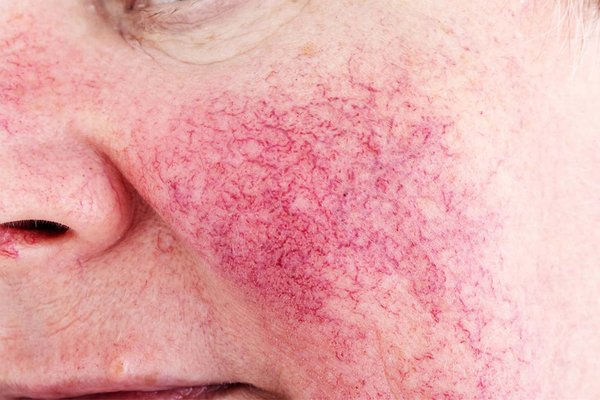
Some people taking amlodipine notice occasional facial flushing.
This can feel like sudden warmth or redness in the face or neck.
Why does this happen?
Because the medication widens blood vessels, which increases blood flow near the skin surface.
Typical characteristics
• Temporary redness in the face
• Warm feeling in the cheeks
• Often brief and harmless
Many patients say the sensation fades as their body adapts to the medication.
4. Fatigue or Low Energy

Some individuals report feeling more tired than usual after starting amlodipine.
This does not happen to everyone, but it can occur as the body adjusts to changes in blood pressure.
Lower blood pressure may temporarily affect how energetic someone feels.
Symptoms people often mention
• Feeling unusually tired during the day
• Reduced motivation for activity
• Needing more rest than usual
If fatigue becomes persistent, doctors may review medication dosage or overall health factors.
5. Dizziness

Dizziness can occur when blood pressure lowers slightly more than expected.
This is especially noticeable when standing up quickly.
Doctors sometimes refer to this as positional dizziness.
Situations where dizziness may occur
• Standing up quickly from bed
• Rising from a chair
• After long periods of sitting
Taking time to stand up slowly may help reduce this sensation.
6. Heart Palpitations
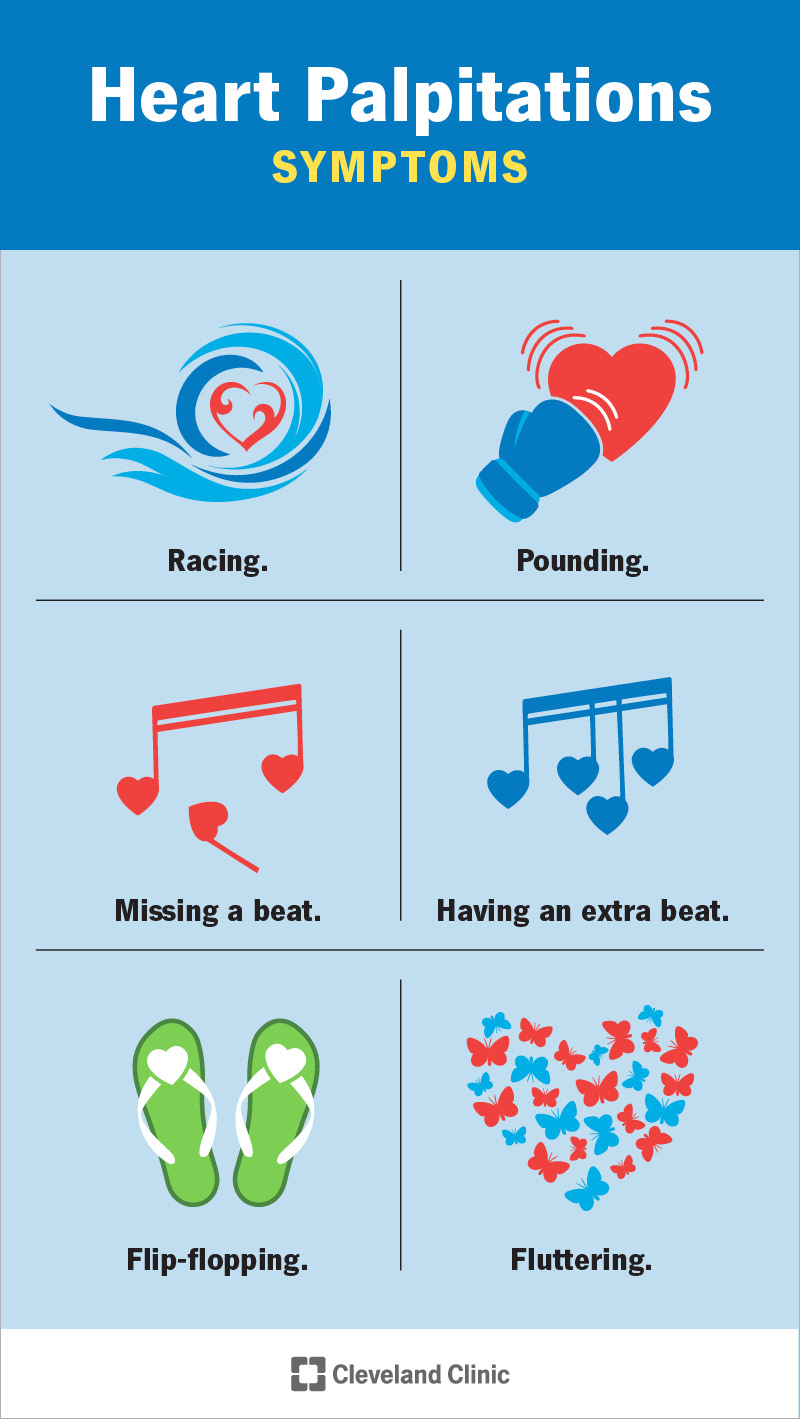
Some individuals notice changes in how their heartbeat feels.
This might include sensations such as
• Fluttering in the chest
• Awareness of heartbeat
• Occasional racing heartbeat
These sensations can sometimes occur as the cardiovascular system adjusts to the medication.
However, persistent palpitations should always be discussed with a healthcare provider.
7. Nausea or Stomach Discomfort

Digestive symptoms can occasionally appear when starting new medications.
With amlodipine, some people report mild nausea or stomach discomfort.
Fortunately, these symptoms are usually temporary.
Helpful strategies
• Taking the medication with food
• Staying hydrated
• Avoiding very heavy meals
If symptoms persist, medical guidance may be needed.
8. Mild Swelling in Hands
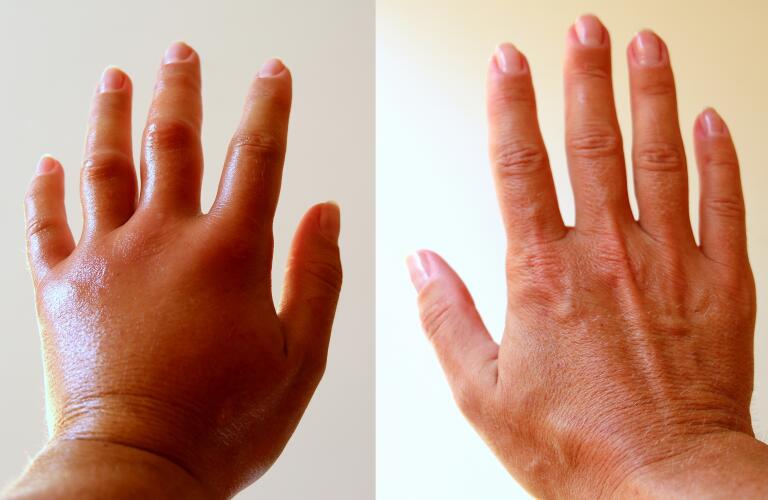
While ankle swelling is more common, some people also notice mild swelling in the hands or fingers.
This may be due to similar fluid shifts that affect the lower legs.
Signs may include
• Rings feeling tighter
• Puffy fingers
• Temporary swelling during the day
Again, medical consultation is recommended if swelling worsens.
9. Skin Redness or Rash

Some individuals report mild skin reactions while taking medications.
These reactions may include redness, itching, or mild rash.
Although uncommon, it is important to monitor skin changes carefully.
If a rash appears suddenly or worsens quickly, medical evaluation is important.
10. Gum Swelling
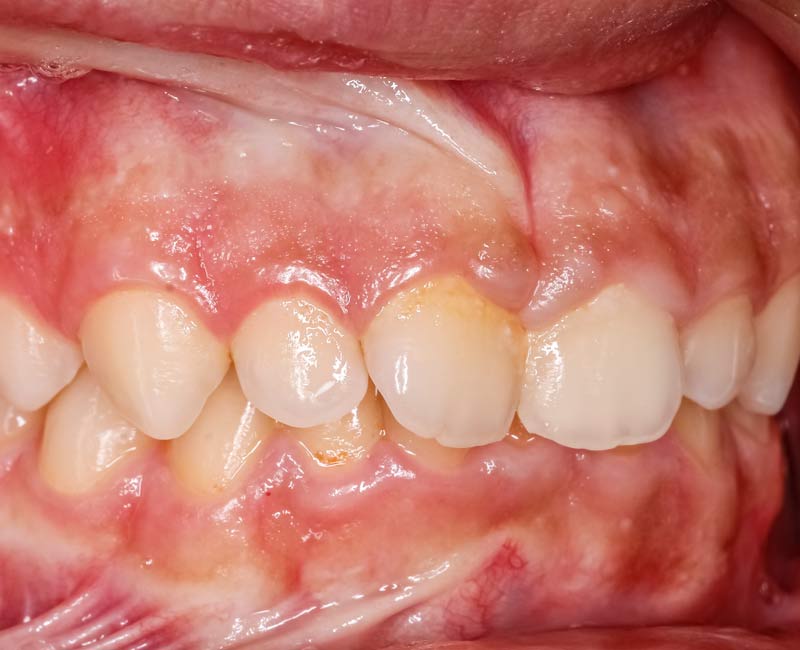
This is one side effect that surprises many patients.
Some medications, including certain blood pressure medications, may be associated with gum swelling.
This condition is sometimes called gum overgrowth.
Signs may include
• Gums appearing thicker
• Bleeding during brushing
• Increased sensitivity
Maintaining good oral hygiene and regular dental visits can help manage this issue.
11. Sleep Disturbances

Although less common, some individuals report changes in sleep patterns.
This might include difficulty falling asleep or lighter sleep than usual.
Lifestyle habits can also influence sleep quality, so it is not always clear whether the medication is the sole cause.
Tips for better sleep
• Maintain consistent sleep times
• Reduce caffeine late in the day
• Keep bedrooms dark and quiet
These habits can support healthy sleep routines.
12. Slight Weight Changes

Some people notice small changes in body weight after starting medication.
In many cases this is related to fluid retention rather than body fat.
Monitoring weight regularly can help identify unusual changes early.
When to seek guidance
• Rapid weight gain over a short period
• Increasing swelling
• Sudden changes in overall health
Doctors can evaluate whether medication adjustments are needed.